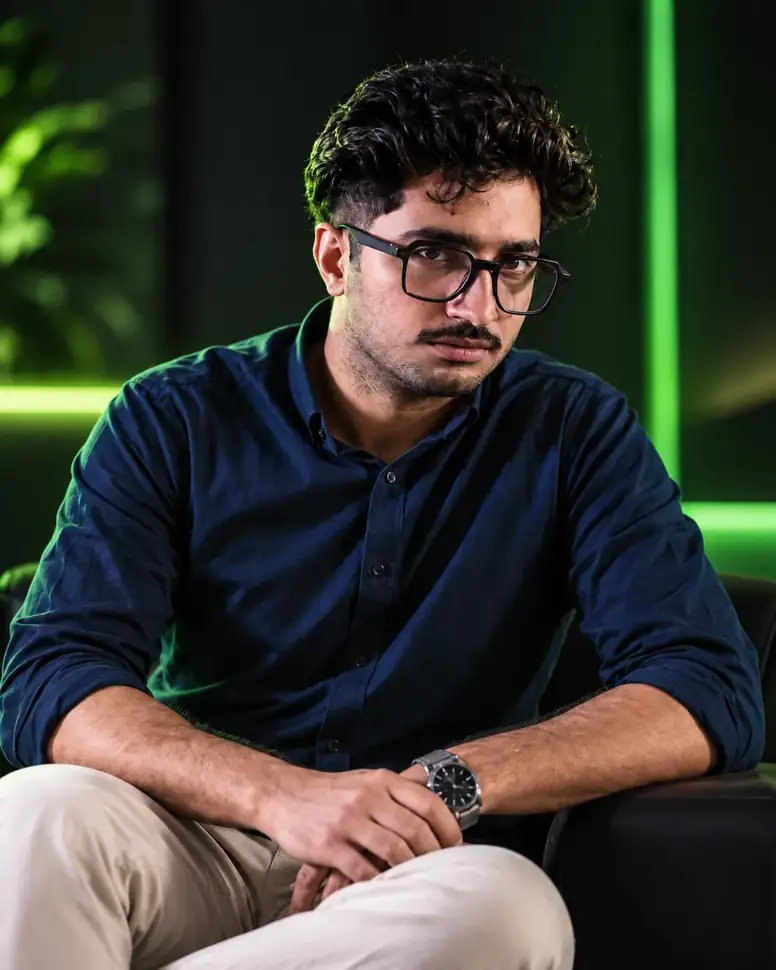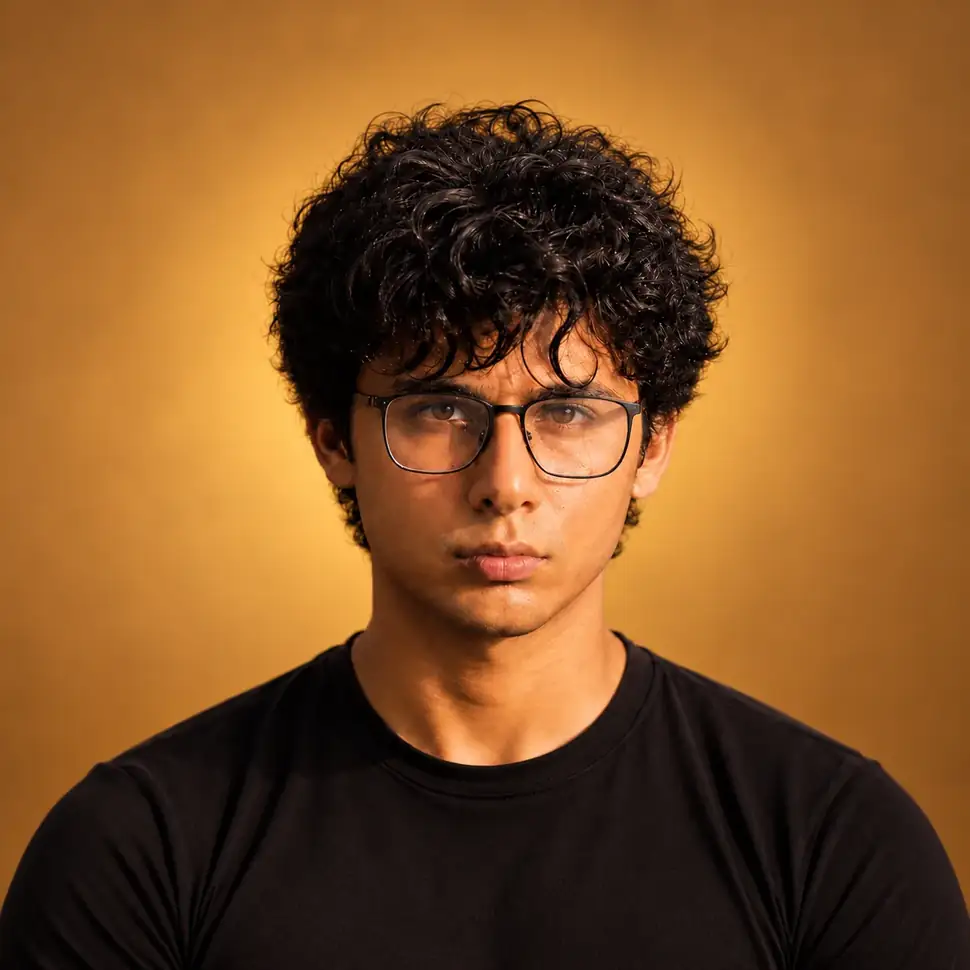
Before the project, there was a problem.
The published Mr. Wolf identity combines technical experimentation with an insistence on making things work under constraints. Its early-computer account is a useful beginning because it places practice before the later project names. A precise date, childhood chronology and personal motivations would require the founder's own recorded testimony.
A limited machine, a larger question
The Mr. Wolf portfolio describes learning and experimentation on constrained hardware. It frames early progress through repeated prototypes and iteration rather than a fully equipped team.
Why this problem deserves attention.
The gap between a prototype and a dependable AI system is not a single leap. It involves testing, error handling, memory behaviour, tool orchestration and repeated repair. The Holliday AI work describes those engineering directions, but TPFN should not convert a roadmap or successful internal test into a universal intelligence claim.
Building Holliday AI
Holliday AI is a software and AI system developed under the Druvex Lab umbrella. The public portfolio presents it as ongoing work in memory, tools and autonomous assistance, not as a finished general intelligence.
What building actually involves.
Druvex Lab supplies an engineering context while TPFN creates a different form of infrastructure: a public place for Pakistani founders to be visible and connected. These are distinct efforts, one centred on products and systems and the other on the people building them.
Druvex as the workshop
Druvex Lab is the engineering identity behind Faizan's experiments. Products and software systems are the recurring medium, with curiosity and practical building central to the project's public identity.
What the evidence lets us say.
The developer's available work and TPFN project give evidence of iterative software building, named systems and founder-network development. The public record does not independently establish every model capability, commercial customer, or private life event.
From products to people
TPFN adds a different dimension: bringing Pakistani founders and builders into one visible collective. It connects technology creation with the people doing the work.
The documented timeline.
The markers below come from the founder's public profile and cited material. They are not a reconstructed childhood-to-present chronology.
- Early experimentation
The founder portfolio describes work on limited computing resources.
- Engineering
Holliday AI and Druvex Lab are presented as ongoing software projects.
- Network
TPFN links individual founder profiles and documented ventures.
A journey still taking shape.
The next documented chapter would connect specific released software, dated technical milestones and the network's member contributions to the builder's own reflections.
The conversation we still need.
A person's private experiences belong to them. These questions show what would need to be documented before TPFN can responsibly tell their complete start-to-present life story.
- Q01
Which early prototype first worked well enough to share?
- Q02
What technical setback most changed the architecture?
- Q03
How did the idea of a founders network first emerge?
Every claim
has a trail.
This profile distinguishes the person's documented work, the broader context of their industry, and questions awaiting a first-person interview. If a company reports its own results, those numbers are presented as company-reported rather than independently audited.
We do not reconstruct a founder's childhood, private struggles or personal turning points from a company website. Those details require an interview, documentation or the founder's approval. This is an expanding editorial record, not a fictionalized biography.